The Short Answer Yes, the EU AI Act can apply to UK businesses and organisations, despite Brexit. While the UK is no longer bound by EU law directly, the Act’s extraterritorial scope means many
The Short Answer
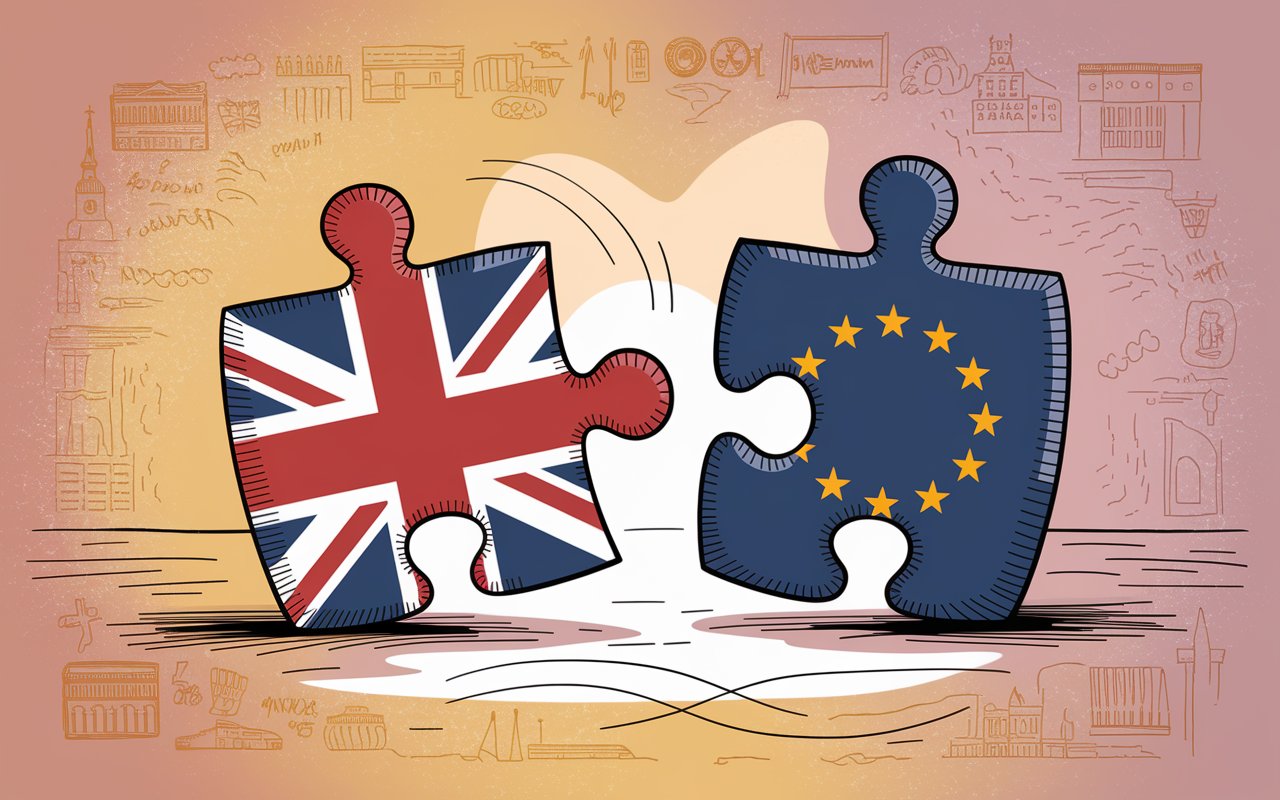
Yes, the EU AI Act can apply to UK businesses and organisations, despite Brexit. While the UK is no longer bound by EU law directly, the Act’s extraterritorial scope means many UK companies must comply when their AI systems affect EU markets or citizens.
European AI Act Compliance Course: From Basics to Full Mastery
The EU AI Act is here—and compliance is now a must. This course gives you the tools to turn complex AI regulation into action. Learn the Act’s core principles, risk categories, and obligations, then put them into practice with ready-to-use templates and checklists.
Understanding the EU AI Act and its Timeline
The EU Artificial Intelligence Act, which entered into force on August 1, 2024, is the world’s first comprehensive AI regulation. It takes a risk-based approach to AI governance, categorising AI systems into different risk levels with corresponding compliance requirements. Key AI Act timeline:
- August 1, 2024: Act entered into force
- February 2, 2025: Prohibition of high-risk AI systems begins
- August 2, 2025: Regulations of GPAI systems begins
- August 2026: Full implementation across all categories begins
- August 2027: Complete phase-in of all provisions
Are you ready for the EU AI Act’s deadline?
eyreACT’s AI Act compliance platform is currently in development to help organisations like yours seamlessly navigate these complex requirements. Be among the first to access our comprehensive solution for AI system classification, risk assessment, and ongoing compliance management.
So Does the EU AI Act Apply to the UK?
Direct Application Scenarios
The EU AI Act applies to UK organisations in these specific circumstances:
- EU market presence: UK companies that place AI systems on the EU market or make them available to EU users
- EU data processing: AI systems that process data of individuals located in the EU
- Output in EU: AI systems whose output is used within the EU territory
- EU subsidiaries: UK companies with EU subsidiaries or operations
The “Brussels Effect” in Action
Similar to how GDPR affected non-EU companies, the EU AI Act demonstrates the “Brussels Effect” – where EU regulations become de facto global standards due to the EU’s market size and influence.
Key Compliance Requirements for UK Organisations
Risk Categories and Obligations
Prohibited AI Systems:
- Banned entirely, including cognitive manipulation and social scoring systems
High-Risk AI Systems:
- Risk management systems
- Data governance requirements
- Technical documentation
- Human oversight obligations
- Accuracy and robustness standards
Limited Risk AI Systems:
- Transparency obligations
- Clear disclosure requirements
Minimal Risk AI Systems:
- Voluntary codes of conduct
- Basic transparency measures
General Purpose AI (GPAI) Models
Special attention is given to foundation models and large language models, with specific obligations for:
- Systems with over 10^25 FLOPS
- Systemic risk assessments
- Incident reporting
- Cybersecurity measures
Practical Impact on UK Businesses
Compliance Costs
UK organisations may face significant compliance costs, including:
- Legal assessments and documentation
- Technical modifications to AI systems
- Ongoing monitoring and reporting
- Potential fines up to €35 million or 7% of global annual turnover
Strategic Considerations
- Market access: Non-compliance could block access to EU markets
- Competitive advantage: Early compliance may provide market advantages
- Supply chain: UK suppliers to EU companies may need compliance
- Investment: Compliance requirements may affect AI investment decisions
Comparison with UK AI Governance
Current UK Approach
The UK has adopted a principles-based approach to AI governance rather than comprehensive legislation:
- Sector-specific guidance from existing regulators
- Emphasis on innovation and flexibility
- Partnership with industry stakeholders
Key Differences
- Regulatory Style: EU prescriptive vs UK principles-based
- Implementation: EU mandatory compliance vs UK voluntary guidance
- Enforcement: EU centralised vs UK distributed across sectors
- Penalties: EU significant fines vs UK regulatory action
Recommendations for UK Organisations
Immediate Actions
- Conduct AI audit: Identify all AI systems and their EU exposure
- Risk Assessment: Categorise systems according to EU AI Act risk levels
- Gap Analysis: Compare current practices with EU requirements
- Legal Review: Assess contractual obligations with EU partners
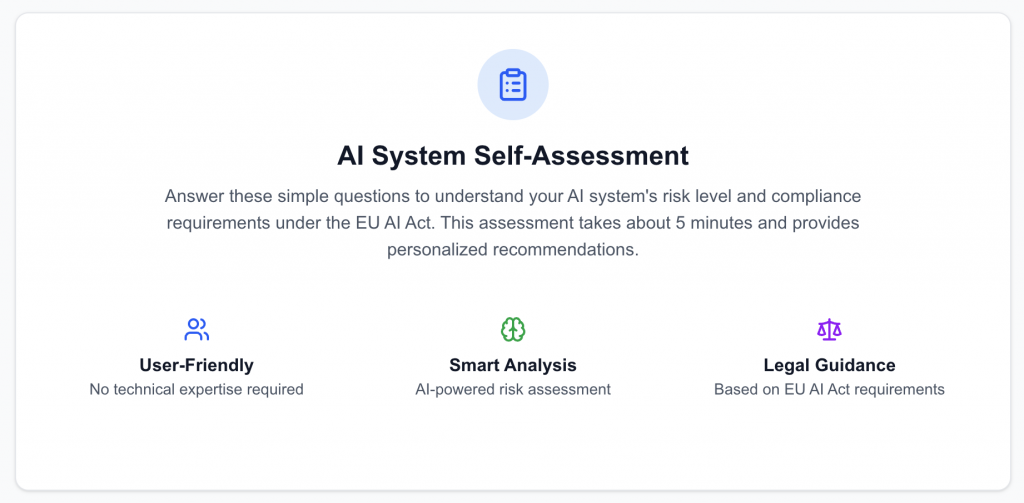
Your starting point: AI system self-assessment module in eyreACT AI Act compliance platform:
Long-term Strategy
- Compliance Framework: Develop comprehensive AI governance
- Documentation: Establish required technical documentation
- Training: Educate teams on AI Act requirements
- Monitoring: Implement ongoing compliance monitoring
The Future Landscape
Potential Convergence of UK and EU AI Act
As the EU AI Act becomes the global standard, the UK may:
- Adopt similar regulations to maintain trade relationships
- Recognise EU AI Act compliance for UK operations
- Develop mutual recognition agreements
Industry Response: UK EU Act Approach
Many UK companies are already preparing for EU AI Act compliance, viewing it as:
- A competitive necessity for EU market access
- A framework for responsible AI development
- A standard that may influence UK future regulation
Conclusion: Yes, AI Act Applies to UK Companies
While the UK is no longer bound by EU law post-Brexit, the EU AI Act’s extraterritorial reach means many UK organisations cannot ignore it. The Act applies wherever AI systems affect EU markets or citizens, making compliance a practical necessity for UK companies with European ambitions.
The key is understanding your organisation’s specific exposure and taking proactive steps to ensure compliance. As the global AI regulatory landscape evolves, early preparation and compliance with the EU AI Act may prove to be a strategic advantage rather than just a regulatory burden.
Book a demo with eyreACT to simplify your AI Act compliance
EU AI Act is more complex than GDPR but we help you nail it. From automated AI system classification to ongoing risk monitoring, we’re creating the platform of developer-friendly, business-friendly tools you need to confidently deploy AI within the regulatory European framework.
This analysis is based on current understanding of the EU AI Act and its application. Organisations should seek specific legal advice for their particular circumstances, as regulatory interpretation and enforcement practices continue to develop.
Frequently Asked Questions (FAQ)
The Short Answer Yes, the EU AI Act can apply to UK businesses and organisations, despite Brexit. While the UK is no longer bound by EU law directly, the Act’s extraterritorial scope means many UK companies must comply when their AI systems affect EU markets or citizens. European AI Act Compliance Course: From Basics to […]
Ready to Start Your EU AI Act Compliance Journey?
Take our free 5-minute assessment to understand your compliance requirements and get a personalized roadmap.